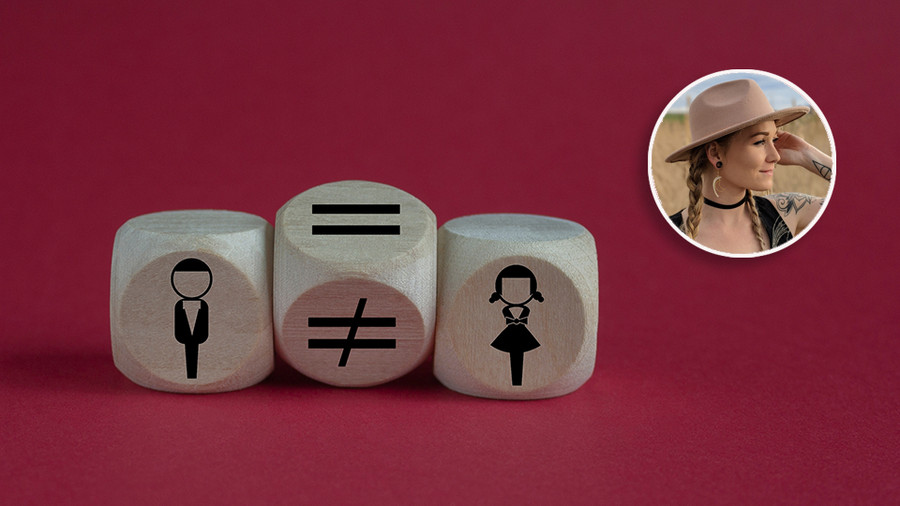
Walking into an adult store or browsing a retail website should feel like an invitation — an open, shame-free space to explore pleasure and identity. But for many of us, that’s not the reality. As a queer, nonbinary and physically disabled person, I’ve spent years navigating physical and digital spaces that weren’t built with people like me in mind. I’ve seen firsthand how exclusion, even when unintentional, creates barriers for LGBTQ+ folks, disabled individuals, people of color and seniors.
Fortunately, certain brands are reshaping the industry and driving history forward, proving that inclusion isn’t just an afterthought — it’s a necessity.
The future of adult retail isn’t just about selling products — it’s about fostering spaces where everyone can safely explore their pleasure without barriers, judgment or exclusion.
The Challenge: A Retail Experience That Excludes Too Many
The adult industry has long been designed around a single type of consumer: typically cisgender, heterosexual and able-bodied. From marketing language to store layouts, this assumed default leaves too many people out of the conversation. I know because I’ve felt it.
I’ve walked into stores where products were categorized by binary gender, leaving no space for nonbinary or trans shoppers. I’ve scrolled through websites where accessible options for disabled people were nonexistent or buried under pages of content that assume full dexterity and mobility. I’ve seen brands claim to be inclusive while featuring only thin, young, white, able-bodied models in their marketing.
I’m not alone in this experience. For LGBTQ+ individuals, walking into an adult store can feel like entering hostile or alienating territory. For disabled customers, something as simple as reaching a product on a high shelf or reading fine-print instructions can be a challenge. For older adults, the assumption that pleasure has an expiration date means they rarely see themselves represented in marketing or product offerings.
Pleasure is universal. Our industry should reflect that.
The Solution: Intentional, Inclusive Retail
Creating a truly inclusive adult retail experience isn’t about checking diversity boxes. It’s about dismantling barriers and building spaces where everyone feels welcome. Here’s how retailers can make that shift:
1. Diversify Your Product Offerings
Inclusion starts on the shelves. That means:
- Gender-affirming products like packers, binders and harnesses designed for different body types.
- Disability-friendly toys, including options with easy-grip handles, large buttons and hands-free functionality.
- Keeping seniors in mind with products designed for comfort, safety and enhanced pleasure for aging bodies.
Brands like Wicked Sensual Care have prioritized inclusivity in their product development, creating lubricants that cater to sensitive skin, menopause-related dryness and even different comfort levels around sensation. Retailers like Starship Adult Stores offer a product selection that reflects a diverse range of needs, from queer-friendly items to toys specifically designed for disabled users.
2. Change the Language, Change the Experience
Words matter. Marketing that only speaks to heterosexual, cisgender, able-bodied consumers immediately alienates those who don’t fit that mold. Instead of labeling toys “for men” or “for women,” focus on function: G-spot toys, prostate massagers, external stimulators, etc.
Inclusive education is just as crucial. Brands that provide comprehensive pleasure education — including topics like queer sex, aging and intimacy, and pleasure for people with disabilities — set themselves apart. Feature LGBTQ+ educators who speak from real experiences, and ensure their content speaks to a broad audience.
3. Make Physical and Digital Spaces Accessible
Retailers must think about accessibility beyond just having a ramp at the door. That means:
- Wide aisles and low shelves for wheelchair users.
- Clear, easy-to-read signage for customers with visual impairments.
- Discreet customer service options for those who may need help but don’t want to ask in front of others.
- Online stores that accommodate screen readers, feature large fonts and provide detailed product descriptions.
4. Hire and Listen to Diverse Voices
True inclusivity isn’t about assuming what marginalized communities need — it’s about listening to them. That means hiring LGBTQ+ staff, consulting disabled advocates and working with people of color to ensure representation isn’t just performative.
5. Community Engagement: More Than Just a Pride Month Campaign
Inclusivity isn’t seasonal. Brands that only acknowledge marginalized communities when it’s trendy or profitable fail to build lasting trust. Instead, retailers should be:
- Hosting events and workshops that center on diverse perspectives year-round.
- Partnering with LGBTQ+ and disability advocates.
- Supporting charities and initiatives that align with their values.
A More Inclusive Future Is Already Here
The industry is shifting. I see it in the brands I work with, the conversations happening at industry events and the increasing demand for change. But there’s still work to be done.
The future of adult retail isn’t just about selling products — it’s about fostering spaces where everyone can safely explore their pleasure without barriers, judgment or exclusion.
Because at the end of the day, pleasure isn’t just for some of us — it’s for all of us.
Hail Groo is the director of PR and marketing for Forward Approach Marketing, where they combine their background as a public historian with over a decade of expertise in diverse marketing fields. Beyond their work in PR and marketing, Groo is a Colorado-based journalist, published travel writer, magazine contributor, podcast guest and award-winning photographer.